| Aspect | Supported detail | Planning use |
|---|---|---|
| Origin | Johannesburg, 1990s | Anchor any timeline in one city and one decade before widening to national or international stories. |
| Sound recipe | International house played in clubs, combined with South African sounds; a fusion of disco, hip-hop, R&B, house and ragga | Listen for the house foundation first, then pick out the other ingredients one at a time. |
| Delivery | Chanted or shouted vocals over a slow tempo with African percussion | Judge a track by its vocal delivery and percussion rather than by melody alone. |
| Language | A blend of South African languages and English | Expect lyrics that move between languages, so a translation or glossary helps with meaning. |
| Leaders | Arthur Mafokate, Mdu Masilela, Oskido, Makhjenlasi | Use these names as the starting points for early-period listening and reading. |
| Reach | Nightclubs, taxi speakers, shops, radio and streets; popularity spread in the late 1990s and early 2000s | Treat the genre as a citywide soundtrack, not only a dance-floor style. |
These details draw on southafrica.com’s overview of kwaito music.
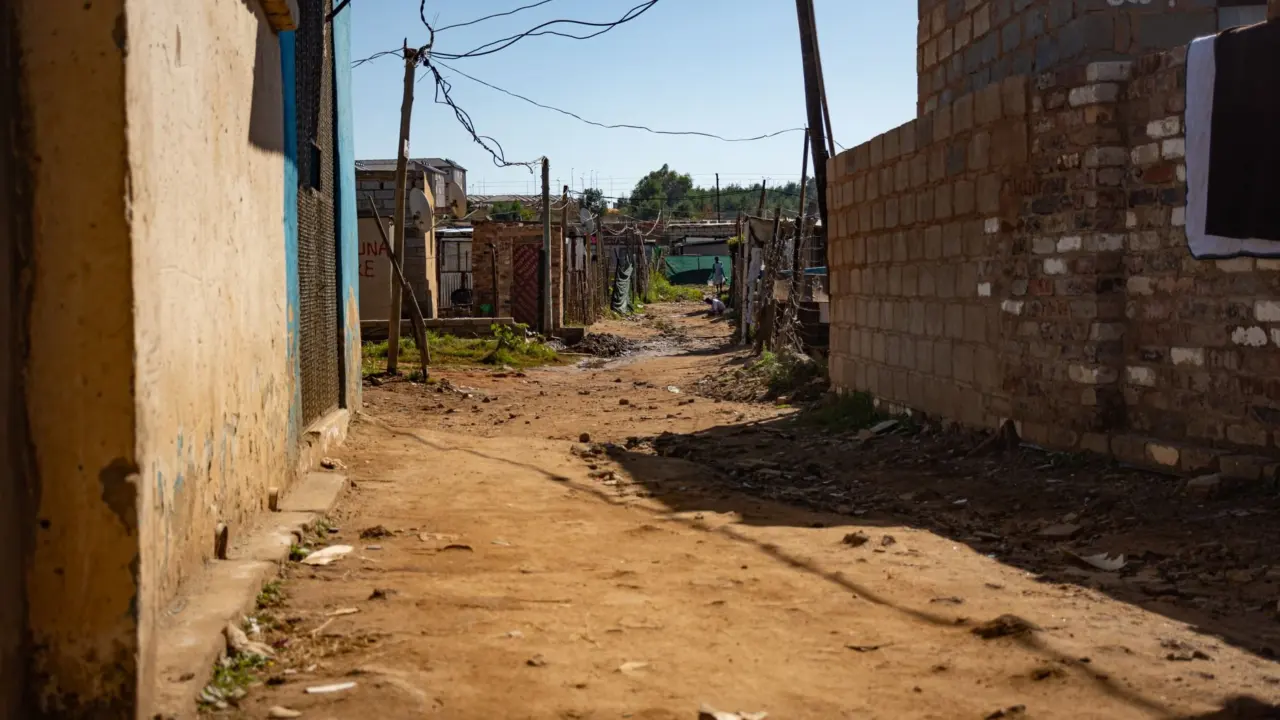
The history of kwaito starts in Johannesburg in the 1990s, when local artists blended club house with South African sounds; its protest content and township roots tie it closely to the end of apartheid.
This timeline sits inside the wider story of south african club music, and a separate kwaito meaning explainer covers the term itself.
Why the Johannesburg setting shapes the story
Kwaito was born in Johannesburg in the 1990s, according to southafrica.com. That detail matters because it ties the genre to a specific club scene and a specific decade. A history that treats kwaito as a vague national sound loses the city that produced it.
The same source explains the mechanism in plain terms: artists combined the international house sounds then playing in the clubs with South African sounds. In practice, kwaito did not appear from nowhere. It grew out of what Johannesburg dancers were already hearing, and it answered that music with a local voice.
Several practical choices follow from this origin.
- Start with the club floor. If the goal is understanding how kwaito began, begin with the 1990s clubs rather than with the wider popularity that arrived later in the decade and into the early 2000s.
- Keep the city in the frame. A reader comparing kwaito with other South African dance styles gets more from asking what Johannesburg clubs were playing than from treating every regional scene as interchangeable.
- Separate the sound from the setting. Slow tempo and chanted vocals describe the music; township life describes the world it came from. Both belong in an honest account, and neither replaces the other.
Kwaito and apartheid: protest and township identity
Kwaito and apartheid are linked first through lyrics. southafrica.com notes that many of the songs spoke out against the oppression of black people in South Africa. The same overview describes kwaito as representative of township life, with youth identity as part of that picture.
Those two descriptions explain why the genre is so often read politically. Because its lyrics addressed oppression and the conditions of township life, the music works as commentary on its period rather than an escape from it. At the same time, a township is a place where people live, dance and socialise, so kwaito also carries everyday identity alongside protest.
The sensible way to read the genre is to hold both ideas together. A purely political reading flattens a dance music that filled clubs. A purely entertainment reading ignores the protest content that the source places at the centre of many songs.
Pioneering artists to know
Kwaito pioneers are named in the same overview: southafrica.com lists Arthur Mafokate, Mdu Masilela, Oskido and Makhjenlasi as leaders in the development of the genre. Anyone researching the early period will find these names a reliable place to start.
Several approaches suit different readers.
- For a quick origin story. Read about the named leaders first. Their work belongs to the period when kwaito was taking shape from club house and local sounds.
- For deeper research. Treat any travel-site list of names as an entry point. Archival press, academic work on kwaito and politics, and artist interviews can add dates, labels and release histories that a short overview cannot.
- For collectors. Physical releases are where a label and a release date show up most clearly, so record shops and catalogue listings are a practical way to trace who put out what.
Radio, clubs and taxis: how kwaito spread
Kwaito reached listeners through several channels at once. According to southafrica.com, it can be heard in nightclubs, thundering in taxi speakers, in trendy shops, on the radio and in the streets. Radio sits alongside clubs and taxis as one of the main routes into the genre.
The mix of venues matters. A club audience has to go out to hear music, while radio, shops and street sound reach people wherever they are. A genre that moves through all of these is no longer only a dance style. It becomes part of how a city sounds.
Taxis deserve a separate mention because the source singles them out. Speakers in a moving vehicle put the music directly into everyday commuting, which fits the description of kwaito as something present in the streets as well as the venues.

Any claim that a particular station or label drove kwaito’s rise needs a specific archival or academic source behind it. The supported picture is the broad one: radio, clubs, taxis and shops together carried the music.
How the sound was built
The sound explains why kwaito felt both familiar and new. southafrica.com describes it as a fusion of disco, hip-hop, R&B, international house and ragga. Vocals are typically chanted or shouted over a slow tempo with African percussion, and the lyrics are a blend of South African languages and English.
Each ingredient does a job. House supplies the club foundation, the percussion supplies the local rhythm, and the multilingual vocals speak in the voices of the people listening. Anyone new to the genre can use that list as a listening checklist, picking out one element per track.
House is the ingredient that most affects how the genre fits into club history. Readers who want to see how South African house developed on its own terms can continue with what is south african house music, which covers the sound kwaito borrowed from and then reshaped.
From kwaito to later club genres
Kwaito’s popularity spread in the late 1990s and early 2000s, and southafrica.com says it even moved abroad to the United States and Europe. That reach shows the genre travelled well beyond its township and club origins.
The clearest documented link between kwaito and later club music is house. Because kwaito was built from international house and local sounds, it sits beside South African house rather than apart from it. The practical conclusion is to read the two together: house explains the club foundation, and kwaito shows how Johannesburg artists turned that foundation into something with its own pace, language and politics.
Frequently asked questions
Where does the name kwaito come from?
The name is derived from an Afrikaans word, kwaai, meaning angry, according to southafrica.com.
Which artists are well known in kwaito?
southafrica.com lists Mandoza, Zola, Brown Dash, Chippa and Unathi among well-known kwaito artists, alongside the earlier leaders Arthur Mafokate, Mdu Masilela, Oskido and Makhjenlasi.
Is every kwaito song a protest song?
No. Many songs spoke out against the oppression of black people in South Africa, but kwaito is also described as representative of township life and is heard in clubs, shops and taxis.