Choosing between gqom vs amapiano for a Johannesburg night comes down to energy: gqom is fast, intense and bass-heavy, while amapiano is melodic, relaxed and slower. Match the genre to the mood you want.
Say the flyer promises one or the other and you have to decide whether to go. This guide sets out the criteria, compares the genres side by side and gives a verdict for each kind of night. It sits within our wider guide to south african club music, and once you know which sound you want, the best clubs in johannesburg are the next step.
Criteria that separate the two genres
Four things tell gqom and amapiano apart in the room: tempo, drum and bass character, melodic content, and the mood on the floor. Work through them in this order, because the first two are the quickest to hear and the last two explain why the night feels the way it does.
- Check the tempo first. Amapiano has a stated range of 110-116 BPM in 2020, according to DJ mOma. Gqom is described as fast and intense, so a set that feels urgent from the first track points to gqom.
- Listen to the drums and bass. Gqom is described as combining heavy basslines with syncopated rhythms. Amapiano pairs Kwaito basslines with Bacardi percussion.
- Notice the melody. Jazzy piano, organ, guitar and soul vocals mark amapiano. Gqom is defined far more by rhythm and bass than by melody.
- Read the mood. Amapiano is called melodic and relaxed, with jazz and lounge touches. Gqom is the harder-hitting option.
Genre labels on a line-up are only a starting point. These four checks work even when a DJ blends styles.
Gqom and amapiano side by side
| Criterion | Gqom | Amapiano | Planning use |
|---|---|---|---|
| Tempo | Fast and intense; no BPM range is given in the cited description | Slower; 110-116 BPM in 2020, per DJ mOma | Choose gqom for urgency, amapiano for a steadier pace. |
| Drums and bass | Heavy basslines with syncopated rhythms | Kwaito basslines with Bacardi percussion | Expect harder low-end pressure from gqom. |
| Melodic content | Rhythm and bass lead | Jazzy piano, organ, guitar and soul vocals | If you want songs you can hum, lean to amapiano. |
| Mood | Intense | Melodic and relaxed, with jazz and lounge elements | Pick by how much energy you want to spend. |
| Lineage | One of the parents of amapiano | Stems from Kwaito and Gqom; blends South African house with slower programming | Amapiano is the newer sound in the family tree. |
Descriptions of amapiano’s tempo, percussion and instruments come from DJ mOma’s account for triple j, and the mood and gqom descriptions come from Chartmetric’s playlist analysis.
Tempo: which is faster
Gqom is the faster and more intense of the two. Chartmetric describes it as having a fast, intense tempo, while DJ mOma describes amapiano as South African house programmed at slower BPMs, 110-116 BPM at the time of his 2020 interview with triple j.
Only the amapiano range is quoted as a number in those accounts, so use 110-116 BPM as the anchor and treat gqom as a clear step up in speed and aggression. That slower amapiano pace leaves room for piano lines and vocals. A gqom set has less space between hits.
Drums, keys and overall sound
Gqom: bass and syncopation
Gqom is built around heavy basslines and syncopated rhythms, according to Chartmetric. Percussion and low-end weight carry the track, so it suits listeners who want impact over melody.
Amapiano: keys, vocals and Kwaito roots
Amapiano is a combination of South African house elements programmed at slower BPMs, with jazzy piano, organ, guitar, Kwaito basslines, Bacardi percussion and soul vocals, per DJ mOma. Chartmetric adds that it has a melodic, relaxed sound with jazz and lounge elements.
Around 2018, DJ mOma says, amapiano also began incorporating Kwaito-style rhyming, which he describes as hip-hop at its core. That is why many tracks feel song-led where gqom feels drum-led.
Where each genre came from
Amapiano’s birthplace is contested between Johannesburg and Pretoria. DJ mOma says that, depending on who you ask, it was created in the townships of Johannesburg or Pretoria around 2012, and that it spread through WhatsApp groups before it gained national notoriety. By mid-2019 it was dominating South African airwaves, according to his account.
Gqom came earlier in the family tree. Chartmetric describes amapiano as stemming from the South African genres of Kwaito and Gqom, a fusion of house and tribal beats. Distruction Boyz, a gqom duo, broke through in 2017 with Omunye, as TimesLIVE reports.
Streaming data shows the two rising together later. Both gqom and amapiano playlists on Spotify saw their first spike, and the oldest amapiano playlist predates that spike, per Chartmetric. Amapiano has also been credited with influencing Afrobashment, Afrohouse and Afrobeats, according to a Test Pressing forum thread. If that neighbouring sound interests you, start with what is afro tech.
Artists to know
Gqom’s best-documented names in this research are Distruction Boyz, who have performed in Europe and Canada thanks to the genre, including at Sonar Barcelona, per TimesLIVE. They also said in 2019 that the constant comparison is not necessary because the two genres are very different. That is a fair reason to judge each on its own terms.
Amapiano’s best-known names appear on Spotify’s most-followed amapiano playlist, AMAPIANO grooves, which has over half a million followers: Uncle Waffles, Kabza De Small and Young Stunna. In that playlist of 50 tracks, 48 come from independent record labels, per Chartmetric. Kabza De Small’s Spotify monthly listeners around June 2020 were 47K+ in Johannesburg, 24K+ in Pretoria and 15K+ in Cape Town, which shows how strongly the sound is tied to Gauteng.
Dance floor behaviour and which to expect
Both genres work by building anticipation. A forum comparison on Test Pressing says amapiano, like gqom, builds anticipation with the music. The difference is intensity: gqom drives a floor with fast, bass-heavy force, while amapiano’s melodic, relaxed feel invites a looser, more flowing crowd.
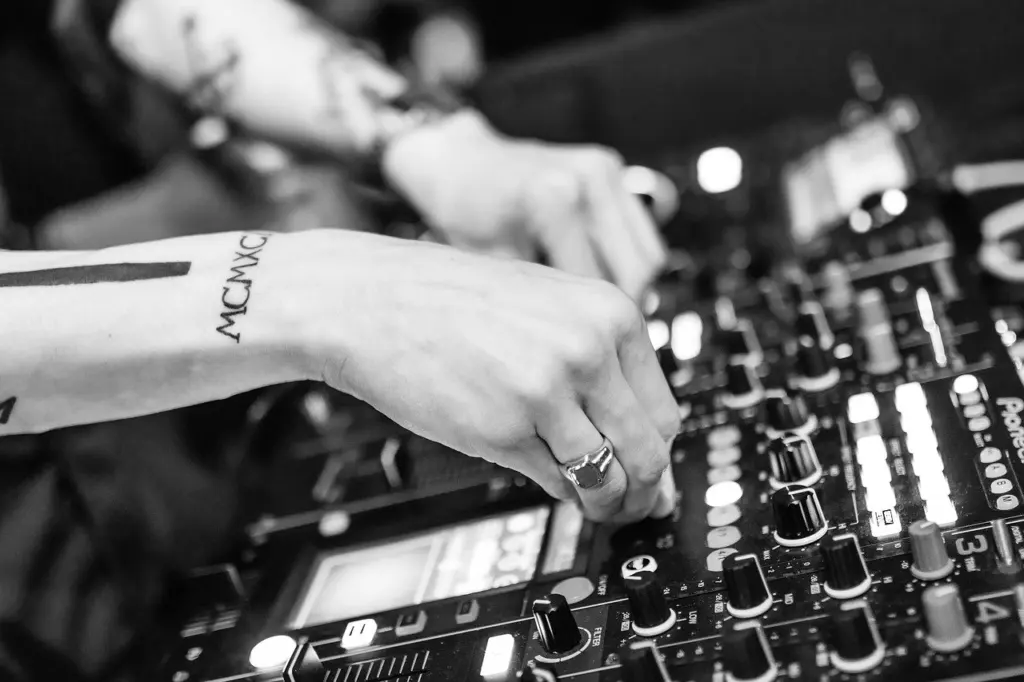
Use these rules to choose a night:
- Billed as gqom. Expect fast, intense music with heavy basslines. It suits people who want a physically demanding, high-energy floor.
- Billed as amapiano. Expect slower, melodic music with piano, vocals and a relaxed pace. It suits conversation between songs and a longer evening.
- Mixed line-up. Expect the energy to change when the set changes. Arrive for the genre you want most.
If you are unsure, amapiano is the gentler introduction, and gqom is the one to pick when you want the night to hit hard.
Frequently asked questions
| Question | Answer |
|---|---|
| What is the difference between gqom and amapiano? | Gqom is fast and intense, with heavy basslines and syncopated rhythms. Amapiano is more melodic and relaxed, with jazz and lounge elements and piano-led arrangements. |
| Which is faster, gqom or amapiano? | Gqom. Amapiano is quoted at 110-116 BPM in 2020 and described as slower programming than South African house. |
| Where did amapiano start? | Either in Johannesburg or Pretoria townships, depending on who you ask, around 2012 according to DJ mOma. |
| Does Kwaito appear in amapiano? | Yes. Amapiano uses Kwaito basslines and, from around 2018, Kwaito-style rhyming, and it is described as stemming from Kwaito and Gqom. |