
Gqom meaning in short: the name is onomatopoeic Zulu for a hitting drum, and the genre is a dark, drum-driven electronic dance style that emerged from Durban in the early 2010s.
Its tempo is commonly quoted at roughly 120 to 130 BPM, but published ranges disagree. Treat that as a ballpark and identify gqom by its drum pattern.
This definition page sits inside our guide to south african club music. The history of gqom follows the scene’s development in more detail.
The word gqom and what it means
Gqom is an onomatopoeic Zulu name for a hitting drum. The word imitates the sound it names, so the definition describes the music’s core: a drum being struck, hard and repeatedly.
The spelling looks unusual to English readers because its opening “gq” represents a single voiced palato-alveolar click consonant. It is one sound, not separate letters pronounced in sequence. If you are writing the word, keep the full “gq” spelling rather than shortening it to “qom” or “gom”.
The definition has parts: a word for a struck drum, a place of origin and a mood. On origin, the style emerged from Durban in the early 2010s. On mood, Afropop’s reporting on the Durban scene calls it a dark, pulsating and energetic sound. Together these explain why the name works: drum first, darkness second, Durban as the home address.

What gqom sounds like
Gqom’s sound comes from what it strips back and what it pushes forward. The rhythm is hard and percussive, and almost everything else serves it.
Kick and percussion
Gqom is built on broken kick patterns rather than four-on-the-floor. The kick does not land as a steady, even pulse. A listener expecting a regular house thump will hear something more fractured and more insistent. One description of the pattern is a heavily distorted kick with crash cymbals and triplets.
Journalism on the genre adds that gqom can be recognized by its hard claps and breakbeats, often mixed with strings or vocal loops. For identification, the claps and the broken kick are the most reliable markers.
Low end and melody
Weight comes from the bottom of the mix: tom rolls do much of the melodic work, and a heavy sub carries the weight. Melody is therefore carried largely by percussion rather than by chords or a lead line. That is why the music can feel sparse and hypnotic at once, since a small set of elements loops while the drums do the moving.
Gqom compared with house and amapiano
Gqom takes house music as its base, then departs from it. The broken kick pattern is the clearest break from the four-on-the-floor feel, and the focus on drums over melody is the second.
Amapiano is the comparison most listeners reach for today. The two both come from South Africa, but they pull in opposite directions.
| Trait | Gqom | Amapiano |
|---|---|---|
| Signature drum | Tom rolls and a heavy sub | Centres on the log drum |
| Mood | Darker, harder, hypnotic | Laid-back |
| Handling of repetition | Repeats relentlessly | Breathes, leaving space |
These contrasts follow the account in this overview of the genre, which notes that gqom has no equivalent to the log drum.
In practice, pick gqom when you want pressure and momentum, and amapiano when you want groove with room around it. For the amapiano side of the comparison, including its singers, see our guide to amapiano vocalists.
Gqom BPM: how fast is it?
BPM means beats per minute, the standard measure of tempo for dance music. Gqom is commonly quoted at roughly 120 to 130 BPM, with the caveat that published ranges disagree with each other.
That disagreement matters for how you use the figure. A range such as this is a typical zone, not a rule, and a track that sits slightly outside it is not automatically something else. If you need to decide whether a track is gqom, check the broken kick, the hard claps and the tom-led rhythm first. Use the tempo only as supporting evidence.
How gqom is made
Gqom’s production story is about modest tools used well. Early township producers in Durban were making tracks in FL Studio, largely with stock plugins. Music journalism describes producers using only Fruity Loops on 64-bit computers.
The drum-machine role, meaning programmed kicks, claps and tom rolls, is filled inside software rather than by dedicated hardware. That fits the sound itself, which relies on a few strong elements rather than layered instrumentation. Afropop describes a young and technologically skilled generation in Durban that had spent seven years developing the sound when it reported. For anyone curious about making it, the lesson is that pattern programming and sound choice matter more than a large equipment list.

How gqom spread beyond Durban
Gqom moved by informal routes first and formal releases later. The sequence below shows how a local sound became a recognised genre.
- Phones and file-sharing. Tracks moved through WhatsApp groups and the file-sharing sites kasimp3 and datafilehost, so a new track could travel without a label or radio play.
- Taxis as a sound system. Producers also handed CDs to minibus taxi drivers with large sound systems, putting the music in front of daily commuters.
- Labels abroad. The sound gained ground abroad from the mid-2010s. The Rudeboyz EP came out on 1 June 2015 on the London label Goon Club Allstars. Gqom Oh! Vol. 1 followed on 29 January 2016 on the Gqom Oh label. Wololo, produced by Distruction Boyz, appeared on West Ink Records on 26 April 2016.
- Mainstream attention at home. Gqom began breaking into South Africa’s commercial mainstream around 2016.
For the question of when gqom first drew wide attention outside Durban, the mid-2010s releases above are the clearest markers. The release dates show a tight run from 2015 into 2016, rather than a slow build.
Gqom in Johannesburg clubs
For a Johannesburg listener, the useful frame is a sound with Durban roots that travelled. Its first routes were phones, file-sharing sites and taxis rather than a Johannesburg scene, and its commercial mainstream push in South Africa came around 2016.
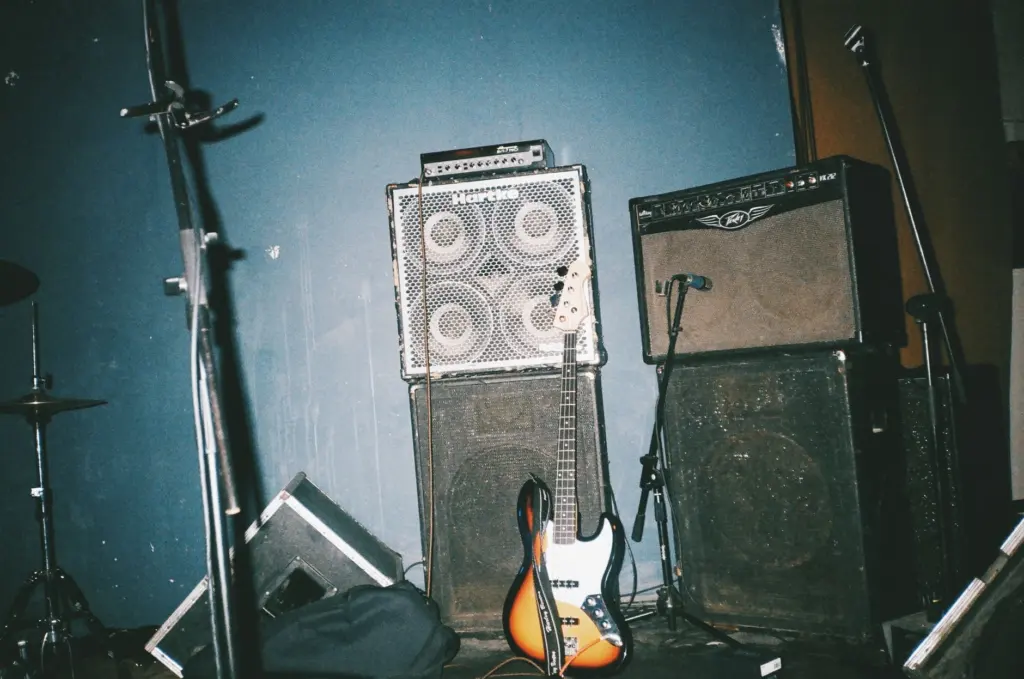
When gqom appears in a set, expect a change of texture rather than a variation on the same groove. The kick breaks up, the claps harden and the mood darkens, so the contrast with softer club styles is immediate. If you are new to it, listen for those three cues before worrying about tempo.

Frequently asked questions
Which areas are linked to gqom?
Music journalism places its heartland in poverty-stricken areas in and around KwaZulu-Natal, naming Umlazi, KwaMashu and Chesterville.
Who took gqom to international audiences first?
One account says DJ Lag was one of the first to take gqom to international audiences.
Did gqom win an industry certification?
A release titled Gqom Is the Future came out on 20 October 2017 and was certified gold by RiSA on 18 December 2017.